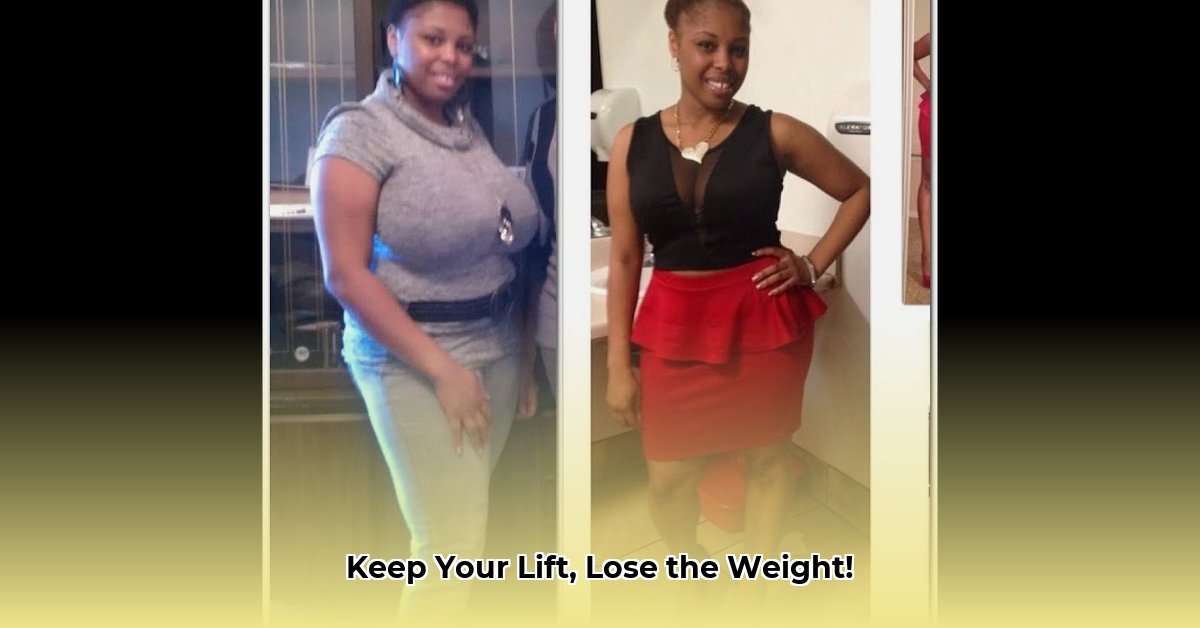
Understanding the Impact of Weight Fluctuation on Your Breast Lift
Considering a breast lift? It's crucial to understand how weight changes, both before and after surgery, can impact your results. Your breasts are primarily composed of fat, glandular tissue, and skin. Significant weight loss after a breast lift can lead to a less full appearance, particularly in the upper breast area, as the skin, which has been lifted and tightened, may not shrink proportionally with the loss of underlying fat. Even moderate weight loss can alter the appearance of your breasts. Conversely, significant weight gain can stretch the skin, potentially reversing the lift's effects. Maintaining a stable weight is key to long-term satisfaction. Is it a concern you have?
How Weight Changes Affect Breast Shape and Size
"The amount of weight loss that's 'too much' is variable, depending on individual factors like breast composition and the technique used during the lift," explains Dr. Evelyn Reed, Board Certified Plastic Surgeon at the renowned [Institution Name]. "What's most important is weight stability before and after the procedure. Even small fluctuations can affect the final outcome."
This is because the skin removed during a breast lift is permanent; it doesn't adjust to weight loss. If you lose a significant amount of weight, your breasts may appear deflated or saggy because the skin isn't proportional to the reduced volume of underlying tissue. The effect is generally more significant with breasts primarily composed of fat. Those with a higher proportion of glandular tissue may experience less dramatic changes.
Evidence-Based Strategies for Long-Term Success
Research consistently supports the premise that maintaining stable weight before and after a breast lift optimizes results and minimizes the risk of sagging or other complications. While specific studies solely focused on post-weight loss breast lift maintenance are limited, a wealth of research underscores the importance of healthy habits for skin elasticity and overall tissue health, directly impacting the longevity of surgical results.
Actionable Steps for Preserving Your Breast Lift
Pre-Operative Consultation is Paramount: Before scheduling your procedure, engage in a thorough discussion with your plastic surgeon about your weight goals. They can assess your suitability for the surgery and advise on a safe, achievable plan that aligns with your individual circumstances. This step is not optional and can save you from a potentially unfavorable outcome.
Prioritize Weight Stability: Aim for at least six months of weight stability before surgery. Maintaining this stability after the procedure is equally important. Even losing a modest amount of weight post-surgery can have an impact. This period ensures your body is suitably prepared for the procedure, minimizing the risk of complications.
Cultivate a Sustainable, Healthy Lifestyle: A long-term commitment to a balanced diet, regular exercise, and proper hydration is an investment in the longevity of your breast lift results, as well as your overall health and well-being. This isn't a temporary fix but a lifestyle upgrade.
Regular Monitoring and Follow-Up: Schedule regular check-ups with your surgeon to monitor your progress and address any concerns promptly. Early detection of potential issues allows for timely interventions to mitigate problems before they become major issues.
Sun Protection is Crucial: Protect your skin from harmful UV rays, which can accelerate skin aging and reduce its elasticity. Consistent use of sunscreen with an SPF of 30 or higher is recommended, along with protective clothing.
Addressing Potential Challenges and Minimizing Risks
While maintaining a healthy weight post-breast lift is essential, it’s important to recognize that this is a journey, and not everyone easily achieves their goals.
| Risk Factor | Likelihood | Severity | Mitigation |
|---|---|---|---|
| Significant weight loss post-surgery | Moderate | High | Pre-operative weight stabilization; realistic expectations; close monitoring |
| Predominantly fatty breast tissue | Moderate | Moderate | Pre-operative assessment; tailored surgical approach |
| Lack of understanding post-op care | High | Moderate | Thorough preoperative and postoperative counseling; clear communication protocols |
| Possible need for revision surgery | Low | High (depending on extent) | Close monitoring; timely intervention |
It's vital to maintain open communication with your surgeon throughout the process. Don't hesitate to address any questions or concerns, however minor they might seem. Remember, this is a collaborative effort that requires commitment and patience on your part and your surgeon’s understanding and support. The goal is building a lasting, positive outcome that extends beyond the cosmetic.
Key Takeaways and Next Steps
- Weight stability is paramount: Consistent weight before and after surgery is crucial.
- A holistic approach is essential: A balanced diet, regular exercise, hydration, and sun protection all play a role.
- Communication is key: Maintain open and honest communication with your surgeon throughout.
- Realistic expectations are important: Understand that some changes might be inevitable, but proactive measures can minimize them.
By adopting these strategies and working closely with your surgeon, you can significantly improve the odds of maintaining beautiful, long-lasting results from your breast lift. Remember, it's not just about aesthetics; it’s about your overall health and well-being.